

Diet Plan for Candida Albicans
Candida Albicans:
Nutrition to Restore Intestinal Balance
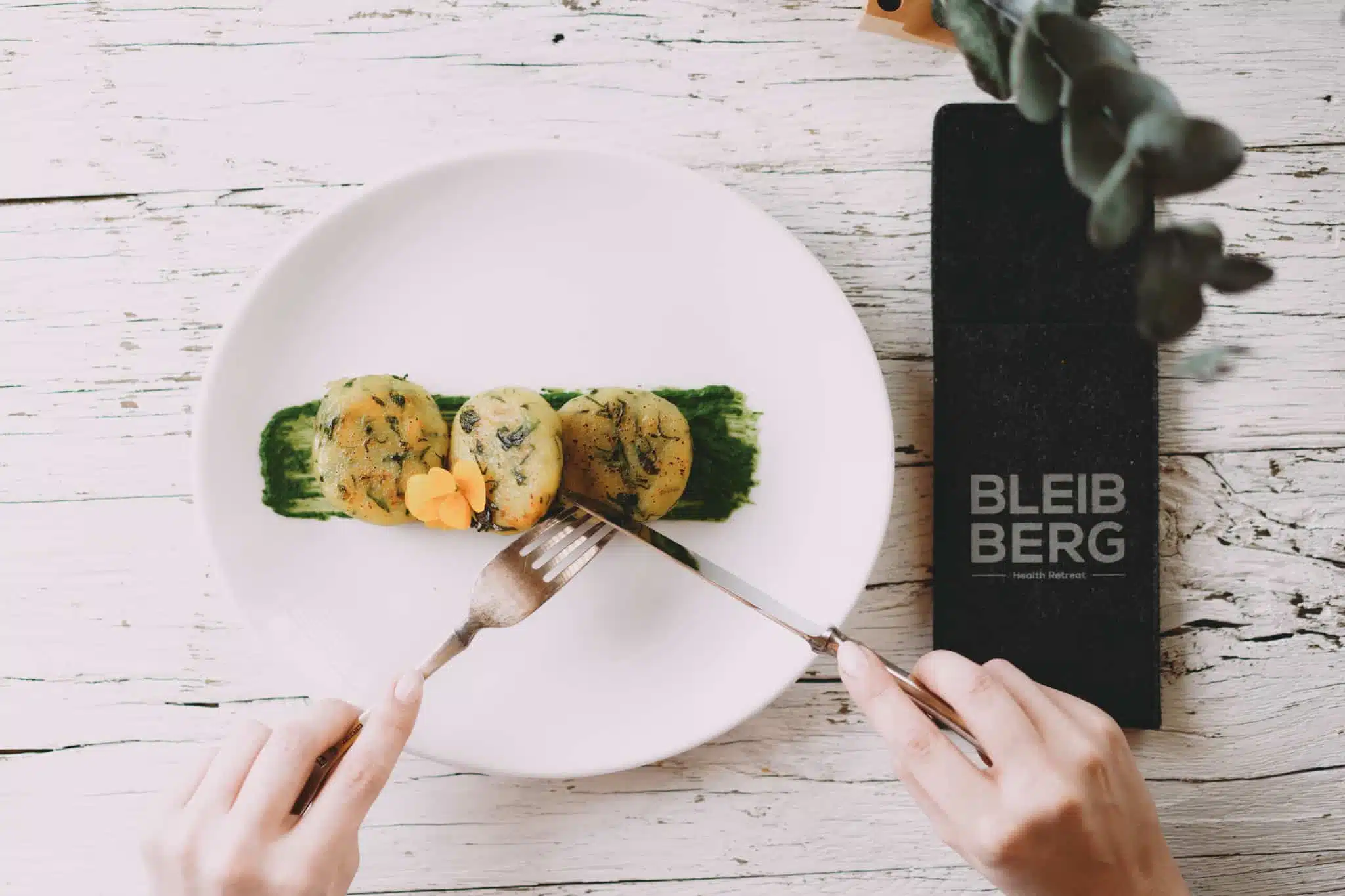
Back in Balance with the Candida Albicans Diet
We come into contact with Candida yeasts almost every day – often through the food we eat. A strong and healthy immune system usually deals with them quickly and efficiently.
When Candida begins to multiply and displace other essential gut bacteria, however, intestinal health can suffer.
A targeted medical treatment combined with the Candida Albicans diet helps restore microbial balance. This low-grain, low-sugar nutrition plan deprives the yeast of its food source and supports natural equilibrium.
At BLEIB BERG F.X. Mayr Retreat, an experienced medical team guides you through your individual nutrition plan against Candida Albicans – for lasting intestinal health.
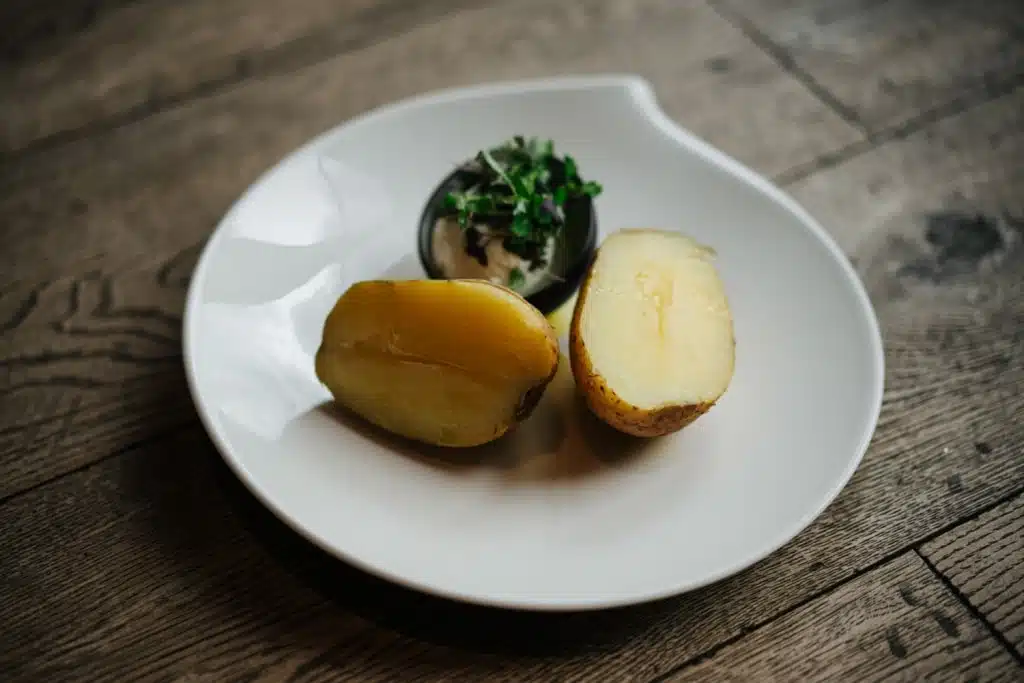
Three-stage diet plan for Candida albicans
The three- to four-week Candida albicans diet focuses on a low-sugar diet to effectively treat the intestinal fungus. Candida albicans feeds on short-chain carbohydrates and metabolises only simple sugars. In addition to individual medication, which is determined at BLEIB BERG using functional myodiagnostics, a three-stage diet plan is recommended for successful treatment results: First, grain-based foods are strictly avoided, then slowly reintroduced in the next two phases.
How long the individual stages of the Candida albicans diet should be followed is determined on an individual basis by your doctor depending on the progress of your treatment. Typically, a duration of 7–10 days is recommended for each stage.
Monotony as a Key Healing Factor
In the first phase of the Candida Albicans diet, all grain-based foods are completely avoided. The goal is to reduce the yeast’s food sources and give the intestinal flora a calm, stable environment to regenerate.
Recommended foods include:
- Vegetables: potatoes, zucchini, eggplant, parsley root, fennel bulb, chard, pumpkin, carrot, spinach, red and yellow beet, parsnip, tomato (in moderation), mushrooms
- Meat / Fish / Animal Products: veal, poultry, lamb, eggs, lean salt- and freshwater fish, sheep and goat dairy products
- Other: cold-pressed vegetable oils (preferably linseed oil), unsweetened oat or rice milk, unsweetened soy milk, fresh herbs and spices, almonds, soy
This simple and repetitive diet structure is not a restriction, but an essential healing principle of Modern Mayr Medicine: it calms the digestive system and supports the body’s ability to restore balance naturally.
One Grain Meal per Day
In the second phase of the Candida Albicans diet, grain dishes are gradually reintroduced. This phase follows a rotation principle: only one grain-based meal per day, and the same grain type appears no more than every third or fourth day.
In addition to the foods from phase one, the following options are recommended:
- Grains: millet, quinoa, buckwheat, rice, corn, yeast-free crispbread, or spelt flatbread
- Vegetables: garlic, leek, wild garlic, onion, asparagus, artichoke, and mushrooms such as porcini, chanterelles, morels, shiitake, and oyster mushrooms
- Meat / Fish / Animal Products: beef, game, and mild cheese varieties
This structured reintroduction supports microbial diversity while keeping the digestive system calm. It helps the body adapt step by step – a key element of Modern Mayr Medicine’s gentle yet effective approach to long-term gut health.
Two Grain Meals per Day and the Introduction of Raw Food
In the final phase of the Candida Albicans diet, the rotating grain principle continues – now with two grain-based meals per day. In addition, small portions of raw food are gradually introduced in the morning and at lunch, usually as fresh, light salads.
Alongside the foods from phases one and two, the following options are recommended:
- Grains: spelt, oats, rye, barley (as flatbread, noodles, etc.)
- Vegetables: cucumber, cabbage varieties (savoy, white and red cabbage, broccoli, cauliflower), legumes, bell pepper, radish, horseradish
- Other: nuts
This final stage supports the digestive system’s resilience and encourages a healthy variety of nutrients. Step by step, the body regains its natural balance – a sustainable result of Modern Mayr Medicine’s principle: restore health through gentle consistency.


A Diet Plan Without Hunger
The Candida therapy focuses on removing the yeast’s main nutrient source – sugar. Yet, the Candida Albicans diet offers a wide variety of nourishing and satisfying foods: fresh vegetables, meat, fish, selected animal products, potatoes, quinoa, and cold-pressed vegetable oils.
Only simple sugars are deliberately avoided across the three dietary stages to inhibit the growth of Candida Albicans.
During your stay at BLEIB BERG F.X. Mayr Retreat, your Candida Albicans nutrition plan is tailored to your individual needs. Food intolerances and allergies are always taken into account. Using a kinesiological allergy test – the FMD muscle test – possible sensitivities can be identified quickly and precisely.

Foods to Avoid During the Candida Albicans Diet
Certain foods promote yeast growth and should be avoided while following the Candida Albicans diet. Eliminating these items helps the body restore balance and reduces the yeast’s ability to thrive.
- Sugar: white and brown sugar, raw sugar, honey, glucose, maple syrup, fruit syrups
- Grains (depending on the diet phase): bread, pastries, cakes, and other baked goods
- Fruits: all fruits, dried fruits, and fruit juices
- Processed Meat Products: especially pork; always check for binding agents
- Yeast: baker’s and brewer’s yeast, and any products made with them
- Processed Foods and Drinks: canned food, ready-made meals, and industrial beverages such as soft drinks
- Alcohol: in all forms
By avoiding these foods, the intestinal environment becomes less hospitable to Candida – a key step toward long-term gut health and well-being in the Modern Mayr Medicine approach.

The Candida Albicans Diet at BLEIB BERG
As a renowned F.X. Mayr retreat in Carinthia, BLEIB BERG brings together leading experts in intestinal health under one roof. Our medical team works closely with you to identify the underlying causes of your symptoms or to support targeted prevention.
Within our Modern Mayr Medicine programmes, we accompany you through the treatment of intestinal Candida overgrowth – with individual medical guidance and carefully crafted regional dishes prepared by our culinary team.

